A Jewel of Conservation
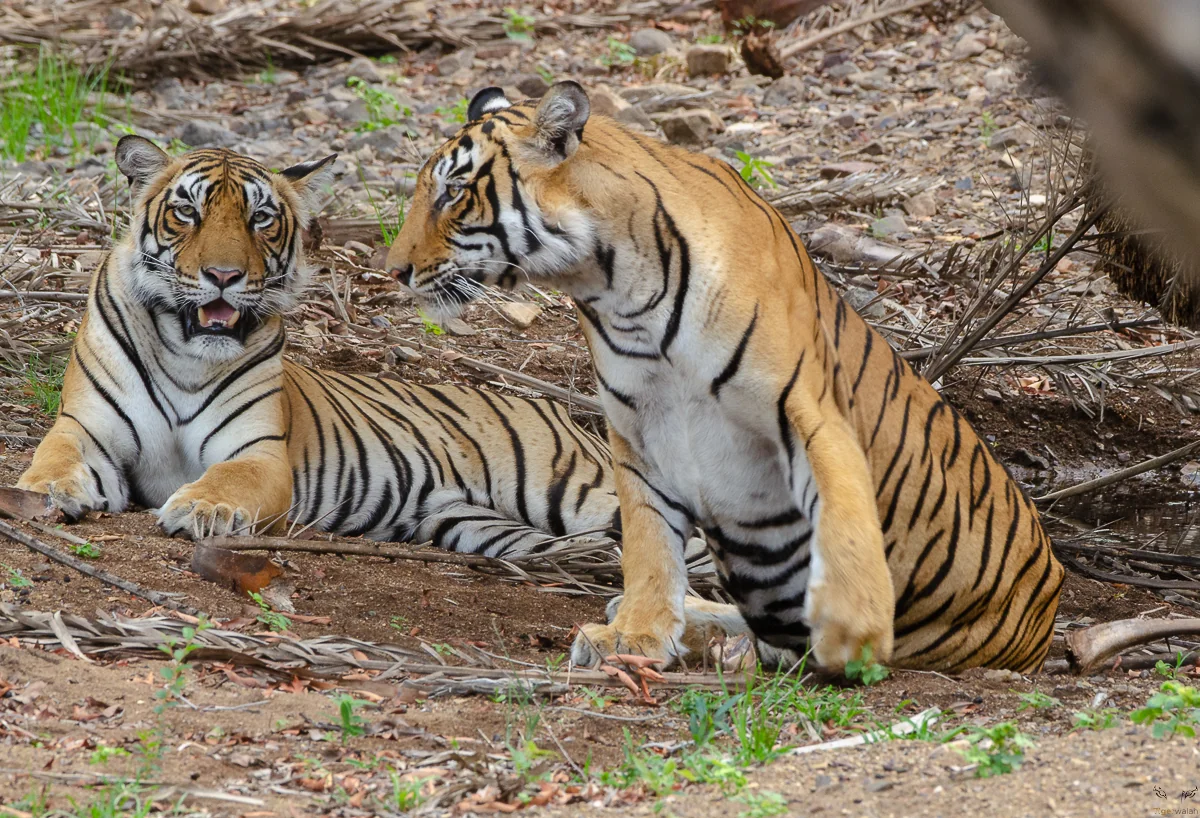
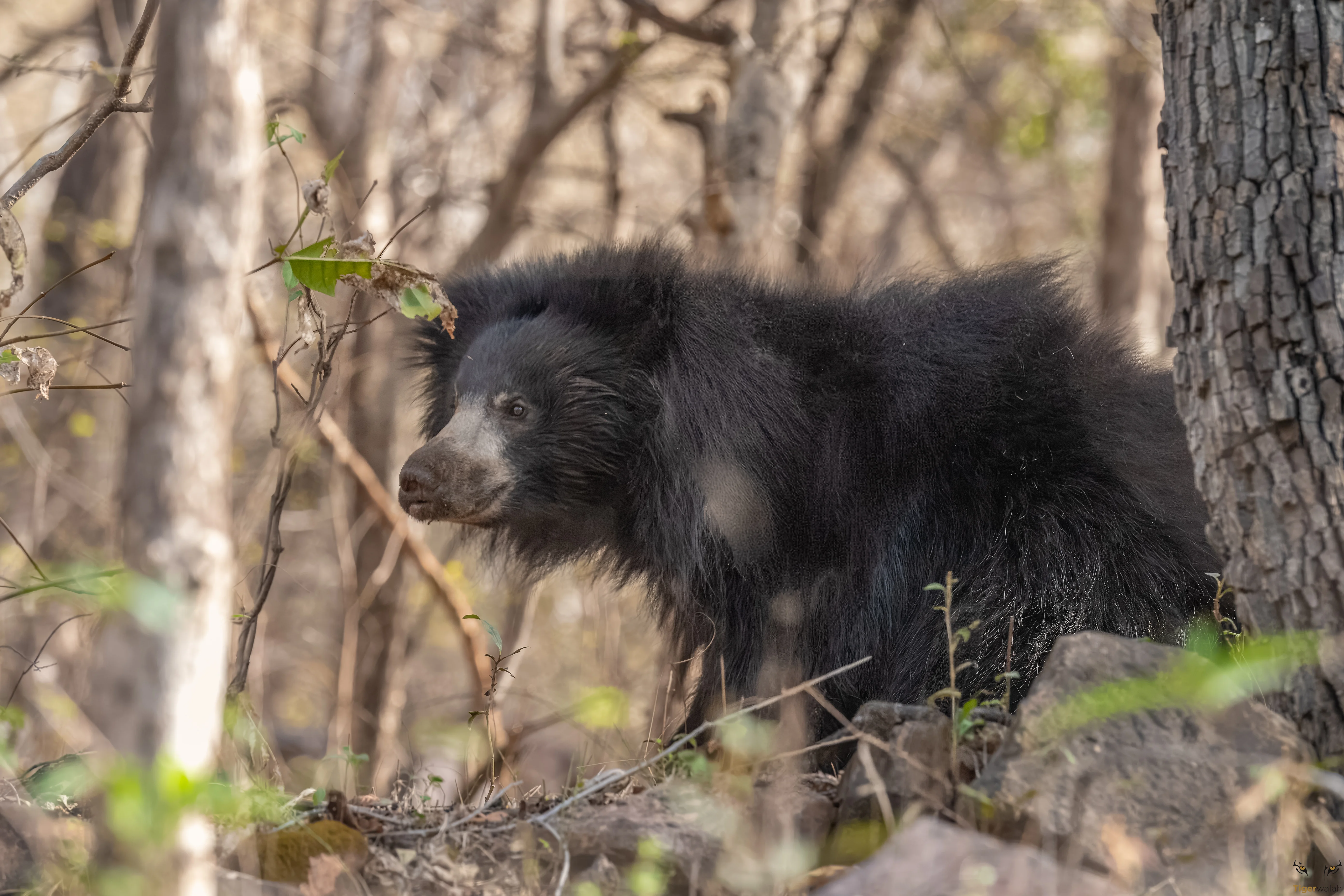
Ranthambhore Tiger Reserve is the single largest expanse of dry deciduous Anogeissus pendula Forest left intact in India. It is home to over 40 species of mammals, 320 species of birds, over 40 species of reptiles and over 300 species of plants. Currently, it is home to 60 adult tigers & 20 cubs.
Situated in the desert state of Rajasthan, Ranthambore’s flagship species is Panthera Tigris Tigris - the Indian or Bengal tiger. The forest remains dry for more than eight months in a year & therefore the chances of spotting this elusive big cat are much higher as compared to other tiger reserves in India.
Unique Geography and Biodiversity
The project tiger reserve is where the Aravali and the Vindhyan hill ranges meet, and this confluence is perhaps the reason for the rich biodiversity of the Ranthambore. The geological formations of the Vindhyan system are characterised by flat tabletops locally known as ‘Dang’, while sharp ridges and conical hilltops characterise the Aravallis. An important geological fault line – the Great Boundary Fault – lies at the confluence of the Aravali and the Vindhyan systems, and runs right across Ranthambore National Park.
Historical Charm and Fearless Tigers
Ranthambore National Park is dotted with structures that remind you of bygone eras. There are many water bodies located all over the park, which provide perfect relief during the extremely hot summer months for the forest inhabitants. A huge fort, after which the park is named, towers over the park atop a hill. There are many ruins of bygone eras scattered all over the jungle, which give it a unique, wonderful and mixed flavour of nature, history and wildlife.
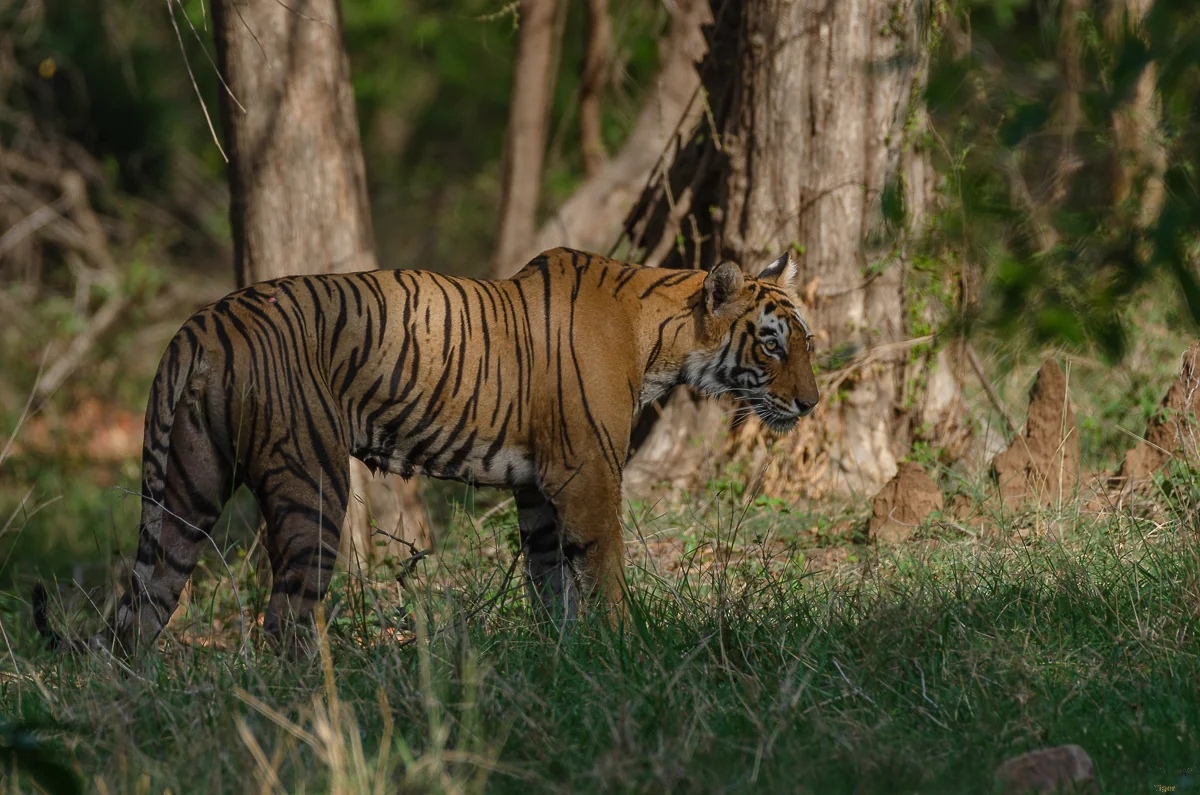
Tigers at Ranthambore National Park have been known to even hunt in full view of human visitors. These tigers are famous for being seen in the daytime too, due to their lack of fear of human presence in vehicles. This lack of fear of humans has led to some remarkable stories and personalities among the park’s resident tigers. This unique blend of fearless tiger behavior and extraordinary individual stories adds another layer to the mystique of Ranthambore, making wildlife sightings here not only frequent but often unforgettable.
The Fearless Tigers of Ranthambore
Ranthambore National Park is dotted with structures that remind you of bygone eras. Tigers at Ranthambore National Park have been known to even hunt in full view of human visitors. These tigers are famous for being seen in the daytime too, due to their lack of fear of human presence in vehicles. This lack of fear of humans has led to some remarkable stories and personalities among the park’s resident tigers. This unique blend of fearless tiger behavior and extraordinary individual stories adds another layer to the mystique of Ranthambore, making wildlife sightings here not only frequent but often unforgettable.
Gallery: The Royals of Ranthambore
How are tigers in Ranthambore identified and named?
Each Ranthambore tiger is unique, much like a fingerprint, thanks to its distinctive stripe patterns. Forest officials and researchers use these stripe formations—especially around the face, flanks, and limbs—to record and track individual tigers over time.
Tigers are typically given unique identification numbers, such as T-16 or T-25, which help wildlife authorities maintain detailed records of their whereabouts, lineage, and behaviour. Alongside these codes, some tigers earn nicknames inspired by unique physical features or legendary antics. For instance, a tiger might acquire a name like “Dollar” because of a dollar-shaped marking on its body, while another could be named “Star”, due to a star-like marking above its eye. The legendary Tiger Machli got her name because of Fish markings on her face. Some of the names were given by park officials, guides and drivers as well.
Popular Residents
Names of some of the current popular residents at Ranthambore and their corresponding identification numbers are listed below. As a practice, the names and ID numbers are given to adult tigers only so typically around the age of 3-4 years.
Click here to know more about the popular Ranthambore Tigers| Name | ID Number |
|---|---|
| Noor | T 39 |
| Noorie | T 105 |
| Sultana | T 107 |
| Baadal | T 101 |
| Ganesh or charger | T 120 |
| Riddhi | T 124 |
| Siddhi | T 125 |
| Shakti | T 111 |
| Jai | T 108 |
The Role of Individual Tiger Stories in Wildlife Tourism
A unique aspect of Ranthambore’s wildlife tourism is the way individual tigers have developed their legends and followings, transforming a simple safari into a personal narrative for visitors. Each tiger carries a reputation built over years, sometimes generations, that draws wildlife enthusiasts and photographers from around the globe.
For example, stories of famed tigresses like Machali have become part of Ranthambore’s identity. These celebrated individuals not only granted thousands of visitors memorable sightings but also nurtured a deeper emotional connection between people and the park’s wildlife. Machali’s fame reached beyond the park itself, inspiring films, documentaries, and countless magazine features, further increasing tourism and awareness about tiger conservation.
This storytelling enriches the entire safari experience. Instead of simply reporting a list of species encountered, visitors recount tales of particular tigers they have tracked and observed, often returning to follow their favourite individuals through the years. In this way, the legends of Ranthambore’s tigers not only attract visitors but also encourage repeat tourism and support for ongoing conservation efforts.
Sighting and Safari at Ranthambore
Ranthambore is a dry-deciduous forest, which means that there is little undergrowth and most of the trees shed their leave in the dry season. Out of all the tiger reserves in India, Ranthambore gets the least amount of rainfall, and as a result, there are very few patches with tall grasses. The excellent network of forest tracks allows for much better tracking of animals from vehicles. All these factors contribute to some great wildlife viewing during safaris.
Click here to know more about the latest Sightings at Ranthambore
Safari Information
Safaris are conducted twice a day across 10 designated tourism zones in the park by the forest department. One can pre-book a 6-seater jeep or a 20-seater open bus (cantor) for safari, both use the same safari tracks on the designated route. Zones 1-6 are considered premium zones and are much in demand.
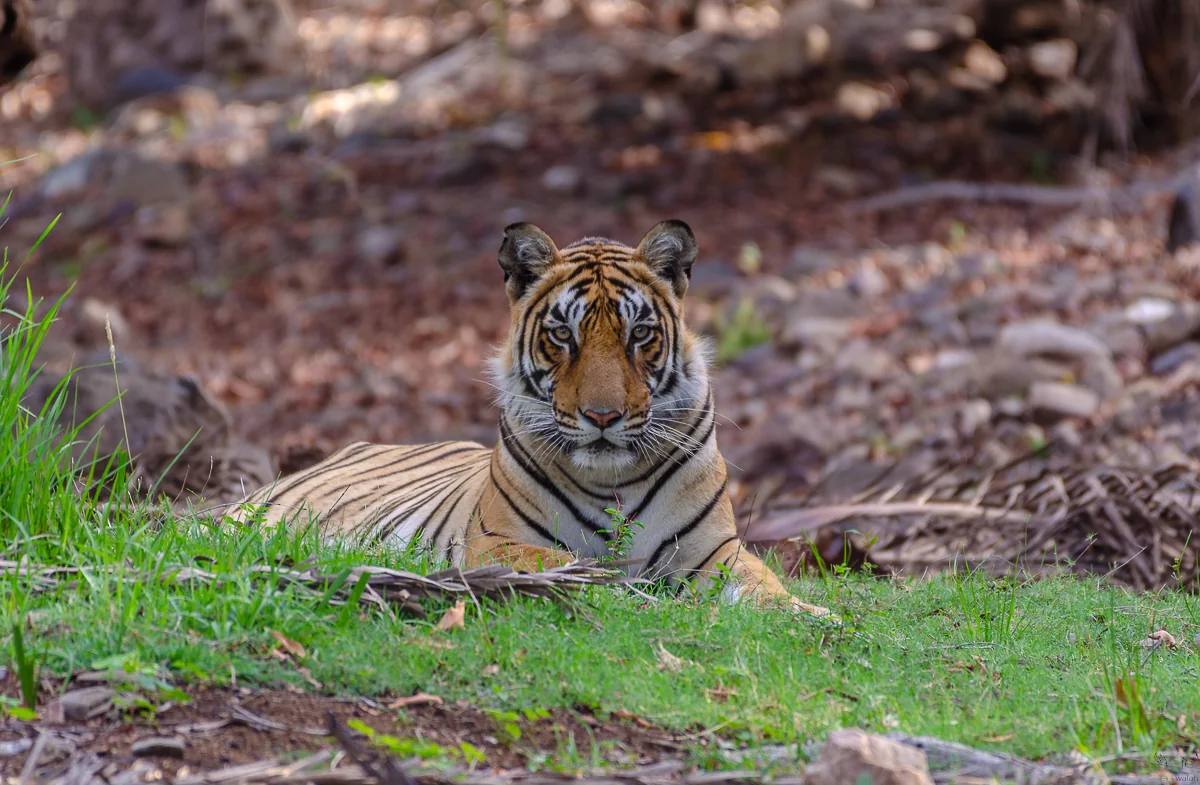
Sighting tigers in the wild is a matter of chance, but these chances can be improved considerably. Before going in for the safari, it is important to have some knowledge of the movement of tigers in the park in the last few days. Most local guides and drivers have this information.
Ranthambore Jungle Safari Timings
| Period | Morning | Evening |
|---|---|---|
| From 1st Oct to 31st Oct | 06:30 am - 10:00 am | 02:30 pm - 06:00 pm |
| From 1st Nov to 31st Jan | 07:00 am - 10:30 am | 02:00 pm - 05:30 pm |
| From 1st Feb to 31st Mar | 06:30 am - 10:00 am | 02:30 pm - 06:00 pm |
| From 1st April to 15th May | 06:00 am - 09:30 am | 03:00 pm - 06:30 pm |
| From 16th May to 30th June | 06:00 am - 09:30 am | 03:30 pm - 07:00 pm |
Ranthambore Fort: A World Heritage Site
Ranthambore Fort is one of the six forts included in the World Heritage Site in Rajasthan. Situated within Ranthambore Tiger Reserve, the fort is known for the glory and valour of Hammir Dev of the Chauhan dynasty. Its earlier name was Ranastambh or Ranastambhapur.
The fortress of Ranthambore, founded in 944, is considered the second largest fort in Rajasthan after Chittorgarh. After the defeat of the Chauhan king Prithviraj Chauhan by Muhammad of Ghori in 1192, Ranthambore, led by Govinda Raja, son of Prithviraj, became the centre of Chauhan's resistance to the expanding Sultanate of Delhi. The fortress passed to the Kachwaha Maharajas of Jaipur in the 17th century, and it remained part of Jaipur state until Indian Independence.
Inside Ranthambore Fort, there are three Hindu temples dedicated to Ganesh, Shiva and Ramlala ji constructed in the 12th and 13th centuries from red Karauli stone. There is also a Jain temple of Lord Sumatinath (5th Jain Tirthankar) and Lord Sambhavnath. The famous Trinetra (three-eyed) Ganesh temple is believed to be the protector of Ranthambore forest.
Quick Facts & How to Reach
✈️ By Air
Nearest Airport: Jaipur, approx 170 km
🚆 By Rail
Nearest town and railway station: Sawai Madhopur, 12 kilometres
📋 Key Details
- Area: 1334 sq. km
- Elevation: 350 meters M.S.L.
- Annual rainfall: 800 mm
- Park Holidays: Zones 1-5 (Wed), Zones 6-10 (Tue)
Climate at Ranthambore
Summers (Mar - Jun)
The days are very hot and dry. During May and June, the maximum day temperature crosses 40 degrees Centigrade and can reach 45 degrees C. The minimum night temperature still hovers around 30 degrees Centigrade.
Monsoons (Jul - Sep)
The rainy season lasts from July to September. The park is generally closed for tourism during this period, though some zones may remain open.
Winters (Nov - Feb)
The night temperature stays below 10 degrees Centigrade, while the day temperature hovers around the 20-degree Centigrade mark. During December and January, the lowest nighttime temperature can go down to 2 degrees C.
Your Essential Ranthambore Checklist
Don't go unprepared! Get our free, comprehensive PDF checklist covering what to pack, essential documents, safari tips for Ranthambore, and more—delivered straight to your inbox.
We respect your privacy. No spam, ever.
Why Choose Tigerwalah?
Let us be your expert partner in crafting an exceptional and unforgettable Ranthambore journey.
Unmatched Expertise
We bring years of experience and intricate knowledge of Ranthambore's ecosystem, wildlife behavior, and safari zones to create perfectly planned trips.
Personalized Service
We recognize that every traveler is unique. We customize itineraries and arrangements to meet your specific needs for a truly bespoke adventure.
Ethical & Responsible
We are dedicated to tourism that supports conservation, benefits local communities, and educates guests on minimizing their environmental impact.
Seamless Support
From safari bookings to accommodation and transport, we provide hassle-free arrangements so you can focus on the magic of the wild.
Get In Touch
Ready for an adventure? We're here to help.